In this part of our User Focus series, we chat to Dr Rhiannon Bolton and Dr Brittany Vining who are working on the Poo Zoo project – a major conservation initiative between Oxford University and Chester Zoo.
AI – Can you give me an outline of what the project is?
RB – the Poo Zoo came about because we’re in a huge biodiversity crisis, with a million species predicted to go extinct very soon. One method to help preserve biodiversity is cryobanking – preserving living cells at super low temperatures. At the moment, samples are collected post-mortem or via more invasive procedures like a skin biopsy, which limits the number of samples that can be collected. Every day, intestinal cells are sloughed off into faeces providing a possible source of viable cells. The premise of Poo Zoo is to harness these sloughed off cells, providing a non-invasive way to collect viable cells from faecal samples to enhance cryobanking for conservation.
AI – How did you both get started in this?
RB – I am a vet but I was always more interested in the bigger picture stuff and conservation. I got really interested in cryo-conservation, and doing more innovative scientific things to improve the extinction crisis.
BV – I am a recent addition to the team. My background has been cell biology, reproductive genetics and molecular biology. Our skillsets really complement each other.
AI – Are there other people working on this project?
RB – We are the day-to-day Poo Zoo team. The project was co-designed by Dr Ashlee Hutchinson, Revive & Restore, who currently funds the project, and Professor Suzannah Williams at Oxford who is Project Lead. Dr Antonia Weberling also guides the project.
AI – What does a typical day look like for you?
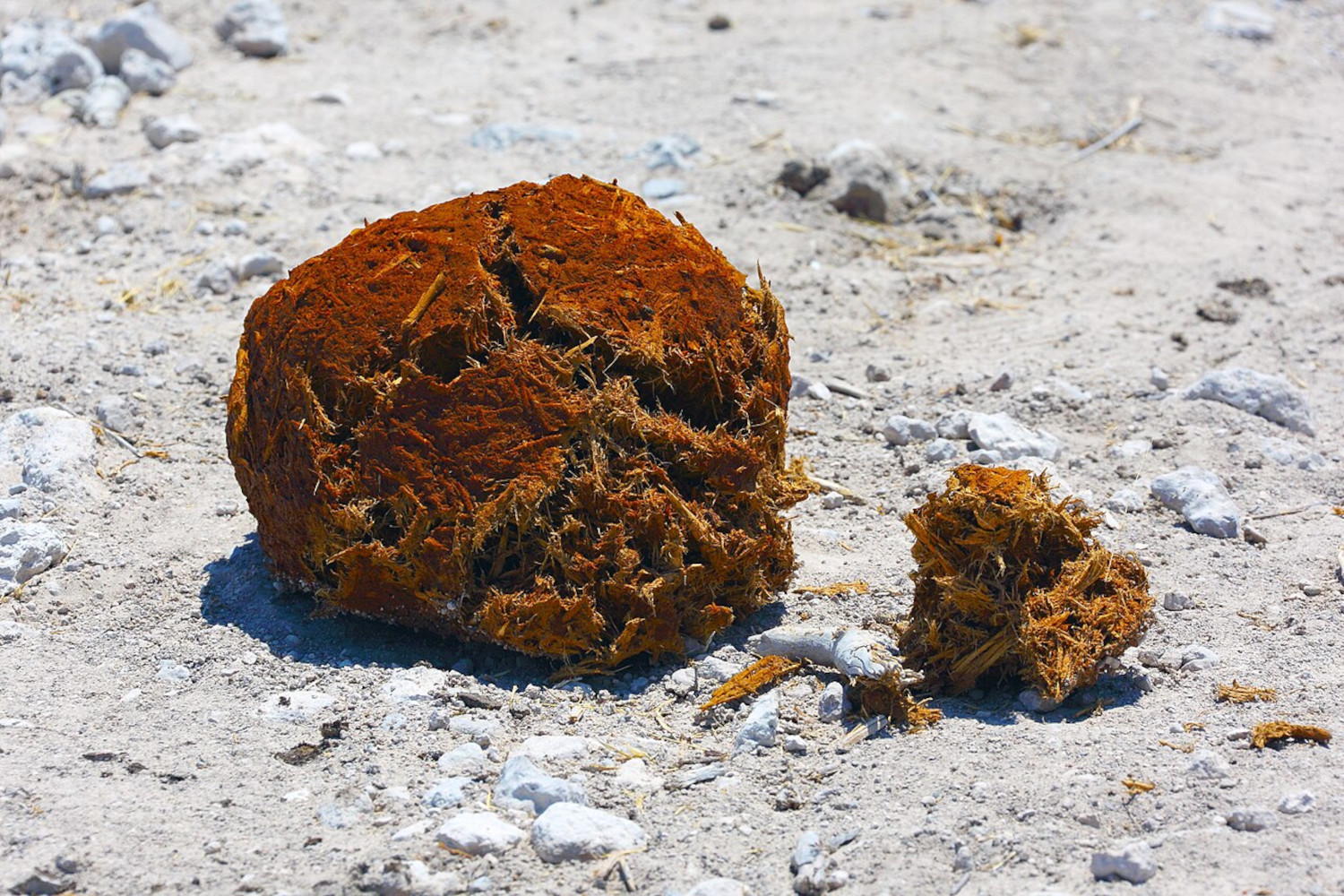
RB – I’m based up near Chester. My stage of the project is collecting samples from endangered species and processing them to get cell isolates as clean as possible. Isolates are then posted down to Britt in Oxford. With, for example, an elephant faecal bolus, we are talking about buckets! And lots of saline solution!
BV – I’m working predominantly with mouse samples at the moment, to optimise techniques. My day will start with isolating cells from mouse faecal pellets. So very similar to what Rhiannon is doing. From there, I aim to further remove contaminants and culture the cells to try to generate induced pluripotent stem cells (IPSCs).
AI – How easy is it to make IPSCs?
BV – I think that is the golden question because there can be so many differences between individuals or species. It’s not easy!
AI – If you successfully make IPSCs in the lab, say from an elephant sample, what happens then?
RB –The ownership of the cells remains with Chester Zoo, and this project stops at the production of IPSCs, but the long-term plan would be for in vitro gametogenesis and the creation of embryos and offspring.
BV – Depending on the species we are working on, gametogenesis could be easier or more challenging, but these kinds of things have been done repeatedly in the past with different species and particularly with mice.
AI – Are there any particular animals that are easier to get samples from than others?
RB – Well the premise is very much the same. We now have managed to isolate cells from nine vulnerable or endangered species at the zoo including the Asian elephants and the northern giraffes. This technology could then be extended to wild species, completely non-invasively. We have also started doing some time trials to assess viability of cells from faecal samples over time.
AI – how important microscopy is to the work that you do?
RB – It’s vital. I need to be able to identify and see what I have achieved after my wash steps. And imaging what we have. We wouldn’t be able to do poo zoo without imaging, so the loan of your microscope has been absolutely game changing for the project – thank you!
BV – We also need to test the viability of the cells.
AI – What does the future hold for this project?
RB – So currently, we are actively seeking more funding. Currently, we’re funded until the end of March 2027.
BV – To have IPSCs from as many species as possible.
RB – And to save as much genetic diversity as possible before it’s too late!
We’re extremely grateful to Rhiannon and Britt for taking the time to speak to us and wish them every success with their project. If you are interested in the work they are doing, you can read more about it here: https://www.wrh.ox.ac.uk/research/poo_zoo.
If you’d like to donate to the ongoing work of the Poo Zoo project, please contact Suzannah Williams, Project Lead, at suzannah.williams@wrh.ox.ac.uk.
Elephant dung image courtesy of Alchemist-hp, from Wikimedia Commons.
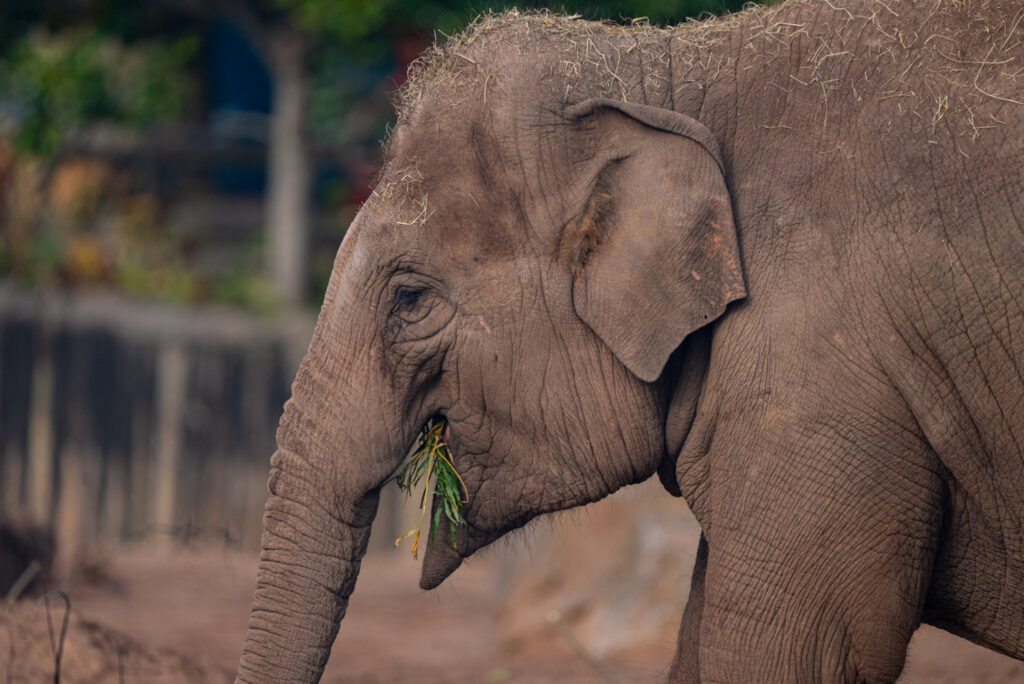
Asian elephant (image © Chester Zoo)